PM Surya Ghar Yojana Explained: How Much Subsidy Can You Actually Claim?
15 July 20264 min readBy Heliocity Solar
- Government Scheme
- Net Metering
- PM Surya Ghar
- Subsidy
A plain-language breakdown of the PM Surya Ghar Muft Bijli Yojana subsidy slabs, who qualifies, and how the money actually reaches your bank account.
If you’ve started looking into rooftop solar in Andhra Pradesh, you’ve probably run into the name “PM Surya Ghar Muft Bijli Yojana” a dozen times without a straight answer on what it actually pays out. The scheme is real, the subsidy lands directly in your bank account, and the amount is fixed by law rather than negotiated per installer — so here’s the plain-language version.
What the Scheme Actually Covers
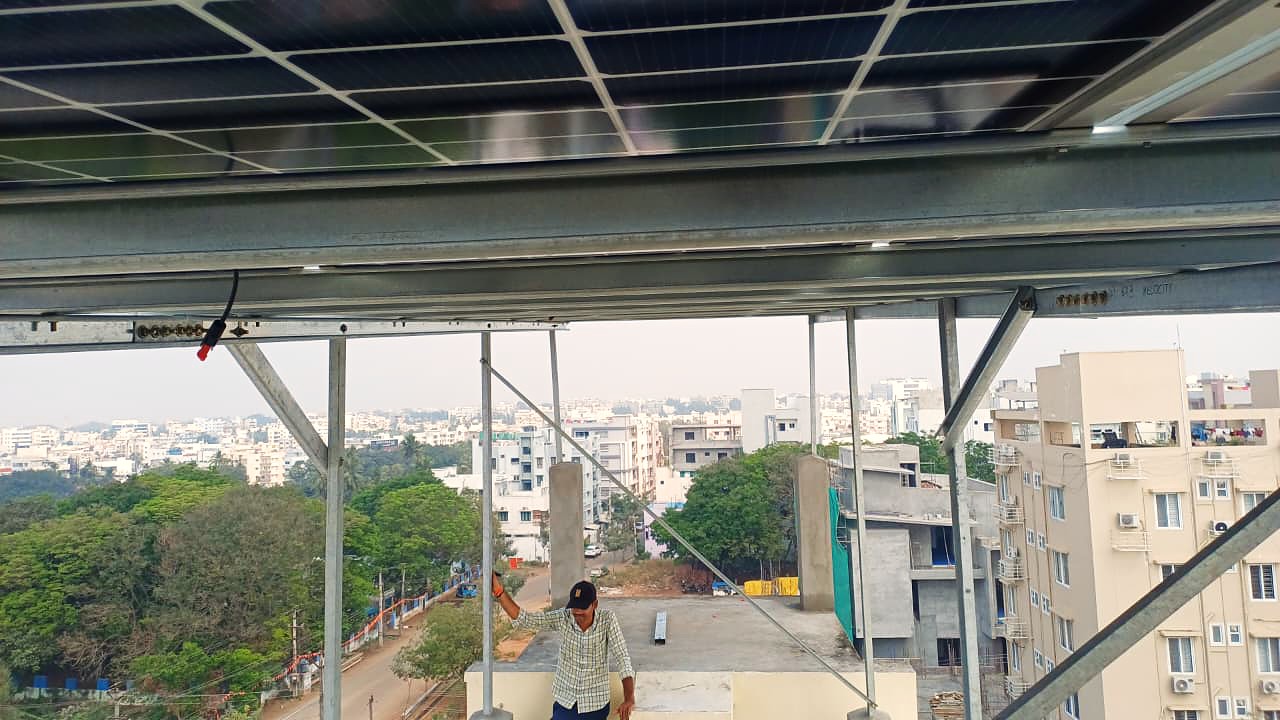
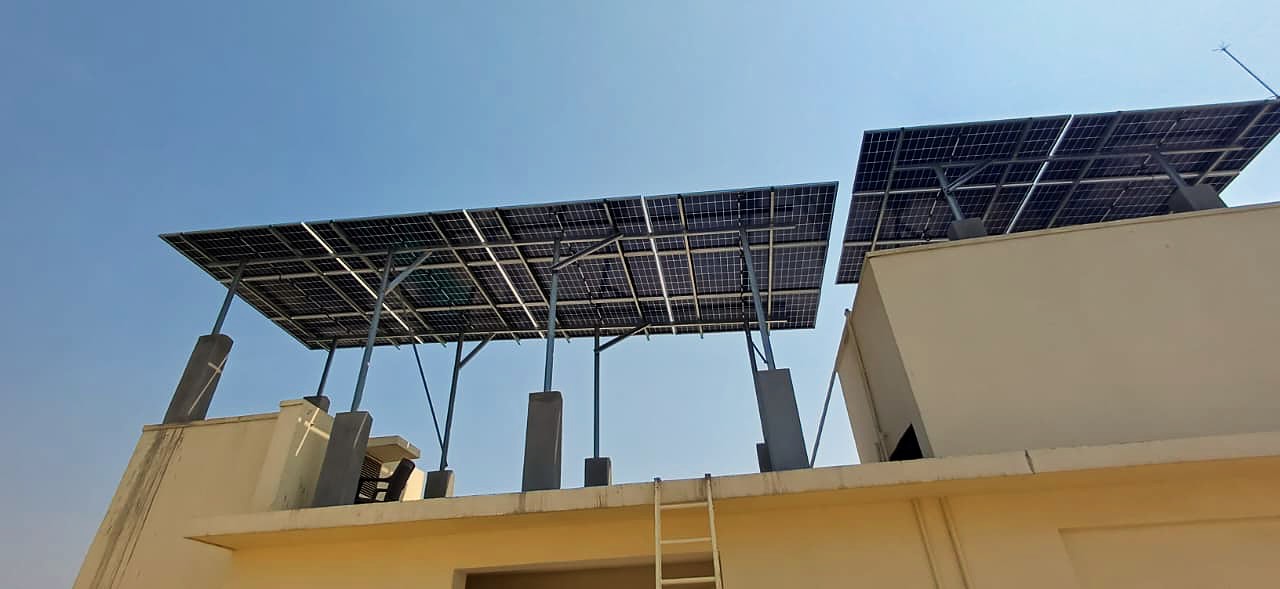
PM Surya Ghar is a central government subsidy for grid-connected rooftop solar on residential properties. It doesn’t cover commercial or industrial connections, and it only applies to systems installed by a DISCOM-empanelled vendor — which is exactly the paperwork we handle before your installation even begins, not after.
Subsidy Slabs, Rupee by Rupee
The subsidy scales with system size, not with your bill:
- Up to 2 kW: ₹30,000 per kW installed
- 2–3 kW: an additional ₹18,000 per kW on the portion above 2 kW
- Above 3 kW: the subsidy caps at ₹78,000 regardless of how much larger the system is
In practice, a typical 3 kW residential system — enough for most independent houses running an AC, fridge, and the usual daytime load — qualifies for the full ₹78,000 cap. Anything larger still costs more upfront, but the subsidy portion doesn’t grow past that number.
Who Actually Qualifies
Three conditions, and all three matter: the property needs an existing residential electricity connection in the applicant’s name, the roof needs to be structurally suitable for the panel load (this is exactly what our site survey checks before you sign anything), and the system has to be net-metered through your DISCOM rather than an isolated off-grid setup.
How the Money Reaches You
This is the part people get wrong most often: the subsidy isn’t a discount at the point of sale. You pay for the full system, we complete installation and net-metering registration, the DISCOM verifies the installation against your application, and the subsidy is then credited directly to your bank account — typically within 30 days of that verification. We track this step for you rather than leaving you to chase the DISCOM portal yourself.
Where Heliocity Fits In
Every quote we send already has the subsidy amount worked into the final “what you actually pay” number, not just the gross system cost — so there’s no separate math homework on your end. If you want to see how a specific system size pencils out with the subsidy applied, our savings calculator on the homepage does that instantly, or you can call us directly and we’ll walk through it.