Andhra Pradesh’s Renewable Energy Push: What the State’s Direction in 2026 Means for Homeowners
20 August 20263 min readBy Heliocity Solar
- Andhra Pradesh
- Net Metering
- Renewable Energy
- Solar Policy
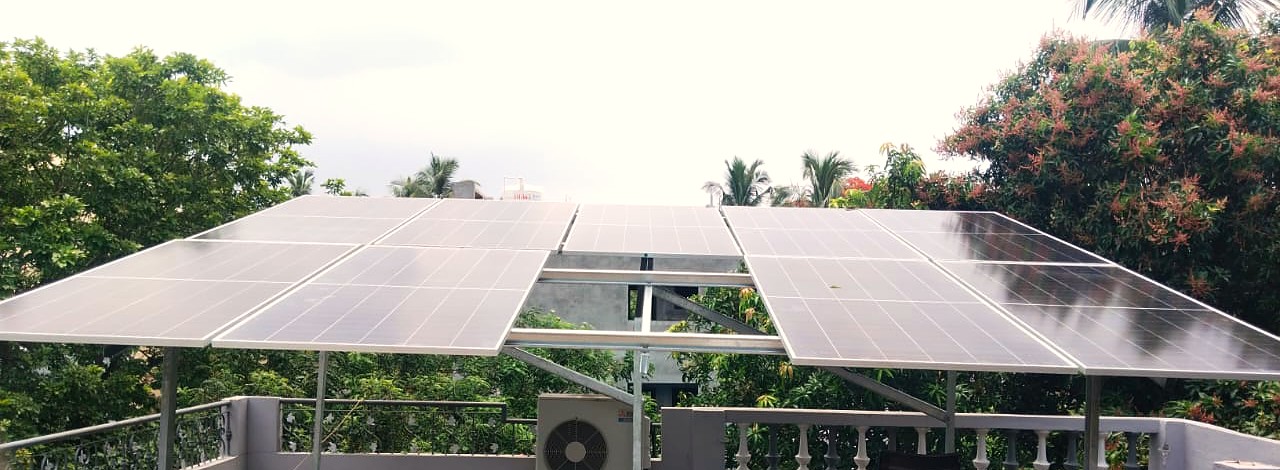
State-level incentives are starting to stack on top of the central PM Surya Ghar scheme. Here’s what’s changing and what it means if you’re considering solar.
Solar adoption in Andhra Pradesh has been building steadily for a few years now, but 2026 has felt like a noticeable step up in how seriously both the state and central governments are pushing rooftop installations specifically — not just utility-scale solar farms. Here’s what’s actually changed and what it means if you’re weighing a decision right now.
A State Racing Toward Its Renewable Targets
Andhra Pradesh has consistently positioned itself among the more solar-friendly states for grid infrastructure, and DISCOM processing times for net-metering applications have visibly shortened over the past year compared to where they stood when we started installing systems seven years ago. That’s not a policy headline, but it’s the kind of operational improvement that actually affects how fast your system goes live.
What’s New for Rooftop Owners
The central PM Surya Ghar scheme remains the backbone of residential incentives, but state-level DISCOM processes have been streamlined alongside it — fewer duplicate document requirements, faster inspection scheduling, and clearer net-metering guidelines for systems in the 1–10 kW range that cover most homes and small businesses.
How State and Central Incentives Stack
The central subsidy (up to ₹78,000 depending on system size) is the fixed, guaranteed part of the equation regardless of where in India you install. State-level improvements don’t add a second cash subsidy on top of it — what they change is friction: how long you wait for approval, how many trips to a DISCOM office are needed, and how predictable the whole timeline is. For most homeowners, that friction reduction is worth almost as much as a bigger subsidy check would be.
What This Means If You’re on the Fence
If you’ve been holding off because the process sounded bureaucratic and slow, that’s a meaningfully less accurate picture today than it was two or three years ago. The subsidy math hasn’t changed, but the path from signed quote to a live, net-metered system has gotten shorter — which is really the practical thing that decides whether solar feels worth it or not.